Why is massage called an art?
Because each culture has developed it with its own techniques and its own way of understanding the body. Since ancient times, massage has offered relaxation and wellbeing to people all over the world.
Throughout history, different cultures have developed their own approaches and methods, giving rise to a wide variety of techniques.
In this article we explore the world of massage and its different types.
Far more than simply pressing and rubbing, massage is an art that combines technique, intuition and knowledge of the human body.
Where did massage come from?
The history of massage goes back to antiquity, with evidence of its practice in Egyptian, Chinese, Indian and Greek civilisations. The ancient Greeks considered it an essential part of their culture and athletic training, while in India Ayurvedic massage has been practised for thousands of years.
Across cultures, massage has evolved and adapted over the centuries, giving rise to a diversity of approaches and techniques.
Thai massage is known for its stretches and deep pressure, while Swedish massage is based on long, gentle strokes. Chinese tradition developed acupressure and tui na massage, which work with the body’s pressure points and energy channels.
What types of massage are there?
Each tradition has given rise to a different way of understanding massage. These are some of the best-known:
-
Relaxing
Also known as Swedish massage. It uses gentle, flowing movements designed to help you relax and unwind.
-
Therapeutic
It focuses on specific complaints and is given by health professionals, such as physiotherapists.
-
Sports
Designed for athletes and active people, before or after exercise.
-
Deep tissue
With more intense movements, it works on the deepest layers of the muscles.
-
Thai
It combines stretches and pressure. It is done on a mat on the floor, wearing comfortable clothes.
-
Shiatsu
Originally from Japan, it is based on finger pressure on specific points of the body.
-
Ayurvedic
Part of Indian tradition, it is adapted to each person with the aim of balancing body and mind.
What do many people look for in a massage?
For many people, a massage is above all time to switch off: a moment of calm, away from the pace of everyday life.
The feeling of relaxation a good massage leaves behind is also why many people choose one to end an intense week or to rest better that night.
Why should a professional give the massage?
Although massage is a very old practice, it is essential that it is given by trained professionals who know the human body well and how it responds to each technique.
Before a massage, tell whoever is giving it if you have any health problem or injury, so they can adapt it and ensure your safety and wellbeing.
Massage is an ancient gift that human beings have given themselves. Through different techniques and approaches, it offers relaxation and a moment of calm just for you.
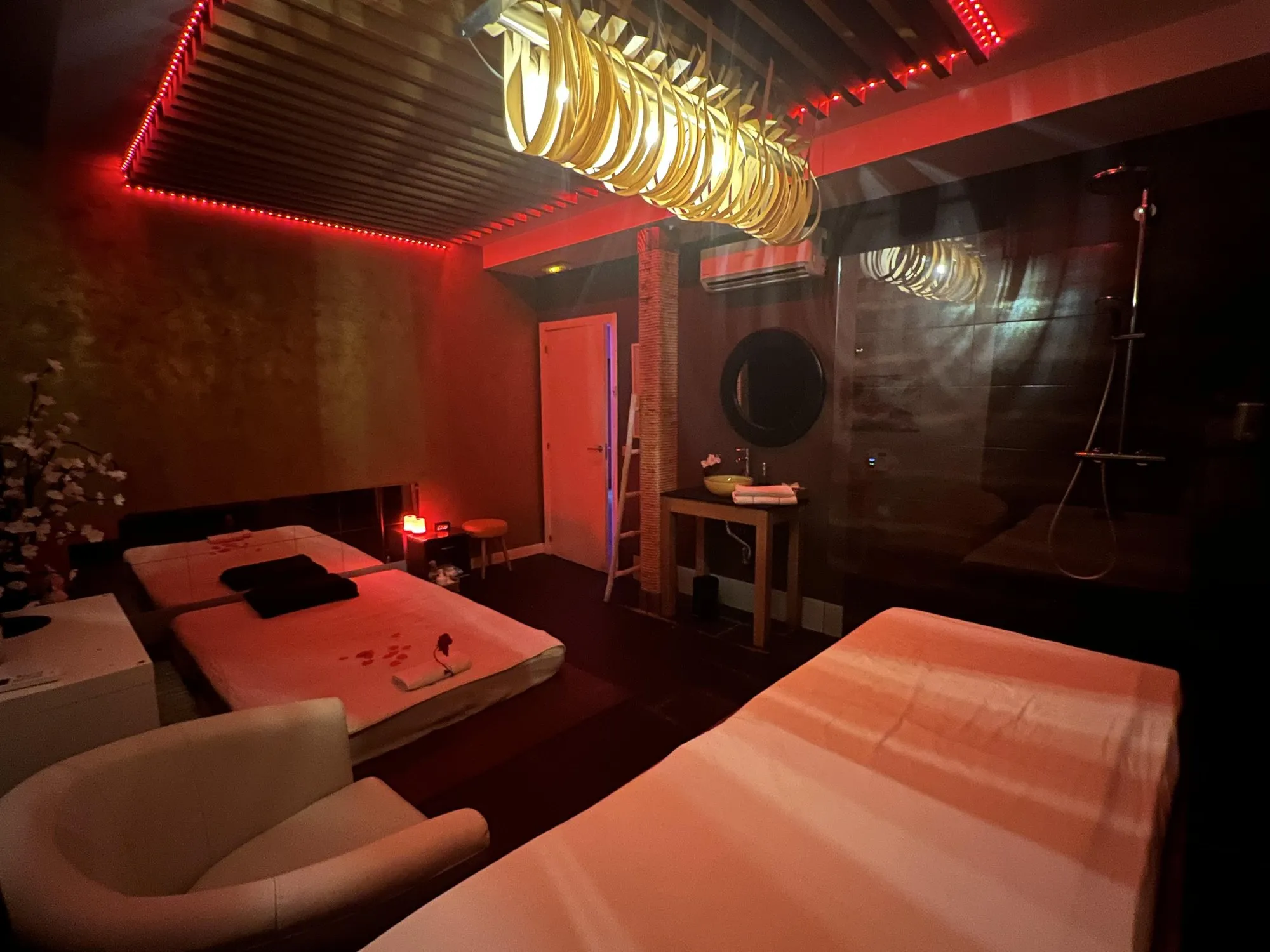
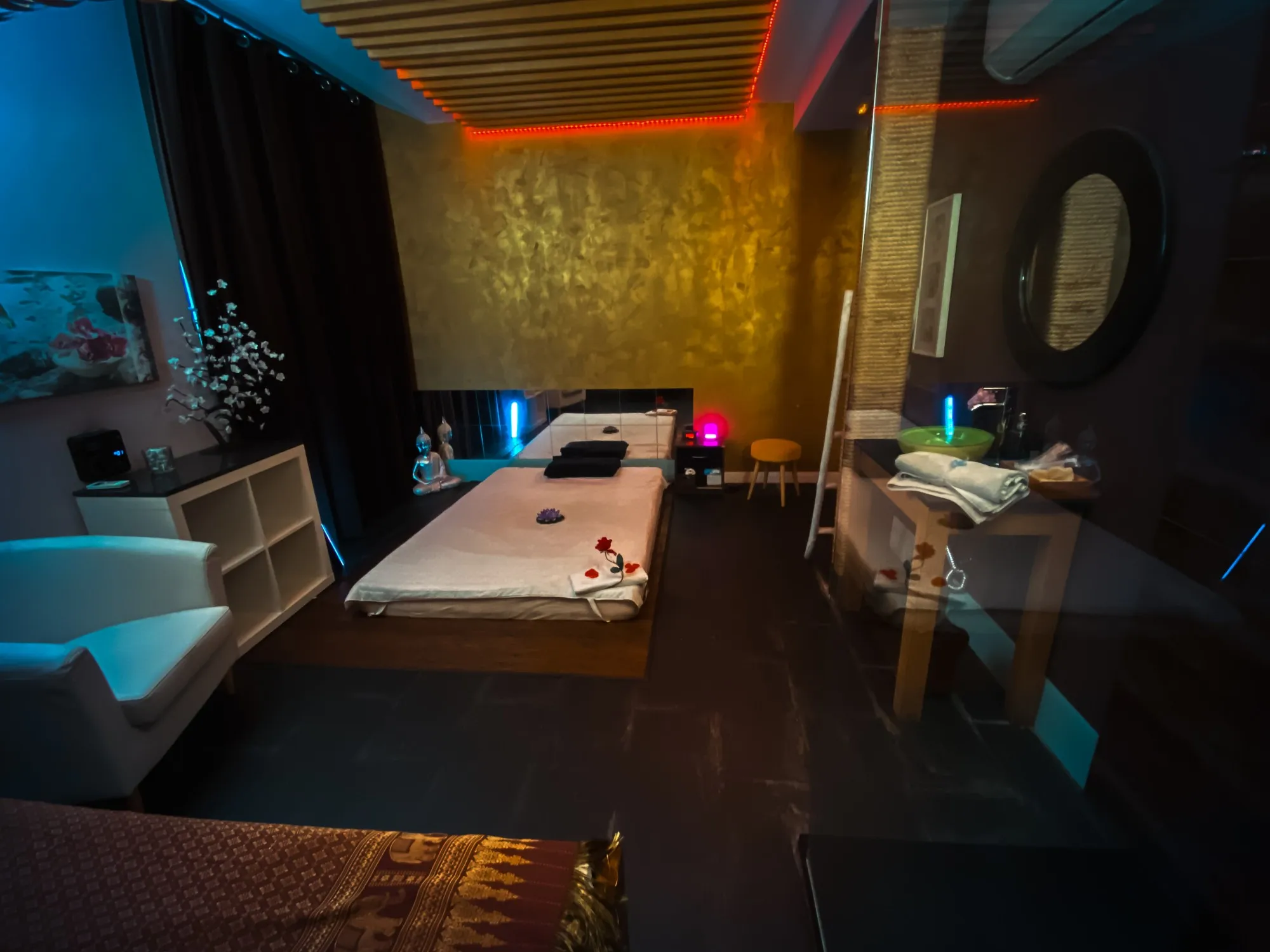
At Zentopía every massage takes place in a private room with a shower. You will find them all, with their length and price, on the massage menu, and you can book by phone, WhatsApp or Telegram.